More Houston contractors are choosing telehandlers, including Xtreme models, over adding a second forklift, because a telehandler's reach, lift height, and rough-terrain capability cover conditions a standard forklift isn't built for. Xtreme telehandlers are available through American Lift & Equipment, Inc., an authorized Xtreme dealer serving Greater Houston.
For most of the past decade, the equipment math on a construction site was simple: if you need more lifting capacity, add another forklift. It was the default answer, largely because it was the familiar one. That default is breaking down on a growing number of Houston jobsites, and the reasoning behind the shift says as much about how construction sites have changed as it does about the equipment itself. For contractors already searching where to buy Xtreme telehandlers in Houston, this shift is usually the reason the question came up in the first place.
The Jobsite Has Changed More Than the Equipment Category
Ten years ago, a typical Houston commercial site might have had a more contained footprint, flatter grading, fewer simultaneous phases, and less need to move material vertically before a crane arrived. That's less true today. Vertical construction has increased. Sites run multiple phases in parallel. Ground conditions stay messier for longer, because more work is happening at once across more of the property.
A standard forklift, built and optimized for flat, predictable surfaces like a warehouse floor or paved yard, starts to show its limits in that environment. Not because it's a bad machine, but because it was never designed for it.
What a Telehandler Does Differently
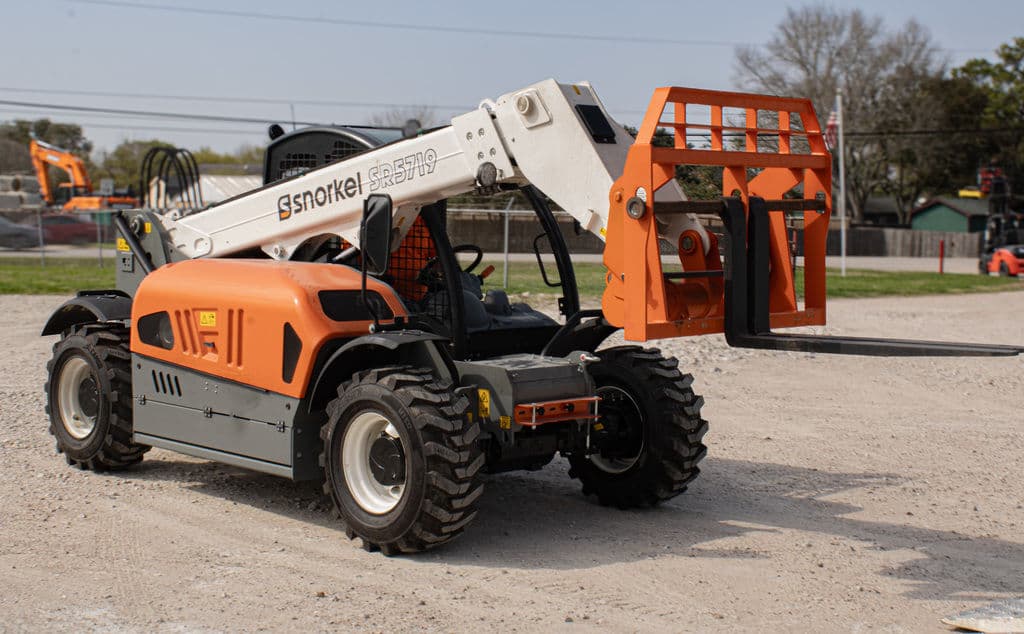
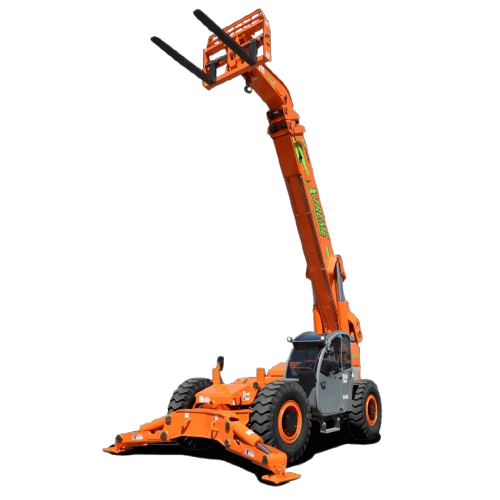
A telehandler's extending boom gives it reach and lift height that a forklift's mast configuration can't match, and its rough-terrain tires and drivetrain are built to handle uneven or unfinished ground without the same risk of instability. On a site where material needs to move to an upper floor, across a staged obstacle, or over dirt and gravel rather than a paved surface, that isn't a marginal upgrade. It's the difference between equipment that can do the job and equipment that can't.
Why the Shift Is Happening Specifically Now
A few forces are converging at once in Houston's construction market:
- Vertical construction is increasing. Getting material to height without renting a crane for every task has made a telehandler's reach genuinely valuable rather than a nice-to-have.
- Multi-phase sites need one machine for two conditions. Rough grading work and finished-slab work, without swapping equipment between phases.
- Attachment versatility consolidates the fleet. Forks, buckets, and jibs mean a single telehandler can cover tasks that used to require two or three separate machines on site.
Put together, a contractor weighing the purchase of a second forklift against a telehandler increasingly finds the telehandler wins on flexibility alone, before the terrain advantage is even factored in.
Not Every Job Calls for the Switch
It's worth being direct about where this doesn't apply. Indoor warehouse work with tight aisles still favors a standard forklift. A telehandler's size and turning radius aren't built for that environment, and a forklift remains the more efficient tool there. The move toward telehandlers is a jobsite-specific trend, not a universal one.
Where Xtreme Fits Into This Shift
Xtreme builds telehandlers around rough-terrain and construction-site conditions, which is exactly where the forklift-versus-telehandler question tends to come up. American Lift & Equipment, Inc. is an authorized Xtreme dealer serving Greater Houston, Beaumont, and Galveston from Alvin, TX.
That matters after the sale as much as during it. American Lift has been family-founded and master-mechanic-led since 1989, runs a large in-house parts inventory, and provides both in-shop and field service. When a machine goes down mid-phase, parts availability and service response decide how long you're stopped.
How to Know If This Applies to Your Next Purchase
Before deciding between a second forklift and a telehandler, walk through the site conditions honestly:
- Is material moving across rough or unfinished ground for meaningful portions of the project?
- Does the job require lift height or reach beyond what a forklift mast provides?
- Would attachment flexibility reduce the total number of machines needed on site?
If the answer to any of these is yes, a telehandler deserves a real evaluation before you default to another forklift purchase.
The Takeaway
The move toward telehandlers on Houston jobsites isn't a trend built on marketing. It's a response to site conditions that standard forklifts were never designed to handle. For contractors planning their next equipment purchase, comparing a telehandler's reach and terrain capability against simply adding another forklift is worth the extra step before committing.
If the site conditions line up, the next question is where to buy Xtreme telehandlers in Houston. Call American Lift & Equipment at (281) 388-2500 and walk your jobsite conditions through with someone who will tell you straight whether you need the telehandler or not.
Frequently Asked Questions
Where to buy Xtreme telehandlers in Houston?
American Lift & Equipment, Inc. is an authorized Xtreme dealer serving the Greater Houston, Beaumont, and Galveston areas from its location in Alvin, TX. Call (281) 388-2500.
Is a telehandler better than a forklift for construction sites?
It depends on site conditions. Telehandlers offer greater reach, lift height, and rough-terrain capability. Forklifts remain well suited to flat, indoor environments like warehouses.
Can a telehandler replace a forklift entirely?
Not always. Sites with rough terrain, height requirements, or varied attachment needs tend to benefit most from a telehandler, while tight-aisle warehouse work usually still favors a forklift.
What attachments can an Xtreme telehandler use?
Common attachments include forks, buckets, and jibs, allowing one machine to cover multiple tasks on a jobsite.
Why are more contractors adding telehandlers instead of a second forklift?
Telehandlers offer reach, lift height, and terrain versatility a standard forklift doesn't have, which reduces the number of separate machines needed across multi-phase or uneven-ground sites.
Does American Lift & Equipment service telehandlers after purchase?
Yes. American Lift provides in-shop and field service, maintains a large in-house parts inventory, and services all makes, not only the brands it sells.