A job rarely slows down because of one big problem. More often it’s a crew waiting on a machine that’s tied up elsewhere, a boom that can’t reach the framing, or a unit that bogs down in a muddy yard. A well-chosen telehandler for construction projects can take care of much of that, since one machine can lift, reach, carry, and place materials. The phrase that matters is “well-chosen.”
Before choosing a model, consider the site’s ground conditions, lifting heights, load weights, and space available for maneuvering. These details help determine whether a telehandler fits the job and supports your crew’s daily work.
Here’s how we suggest contractors think it through before they buy or rent.
Start With the Loads You Move Every Week
Before you compare models, write down what the machine will handle most. Note the heaviest load, how far it travels, and how high it has to go. Bundled lumber, block pallets, trusses, and rebar all behave differently on a boom.
Then read the load chart closely. Rated capacity drops as the boom extends and rises, so a machine with a 10,000-pound rating may lift far less at full reach. Check the numbers at the reach and height your crews will actually use, not the figure on the spec sheet.
Match the Machine to Your Site
Houston job sites are tough on equipment. Clay turns slick after heavy rain, and laydown areas can be tight. A few features are worth a close look:
- Drive and tires: Four-wheel drive and multiple steering modes help in soft ground and narrow spaces.
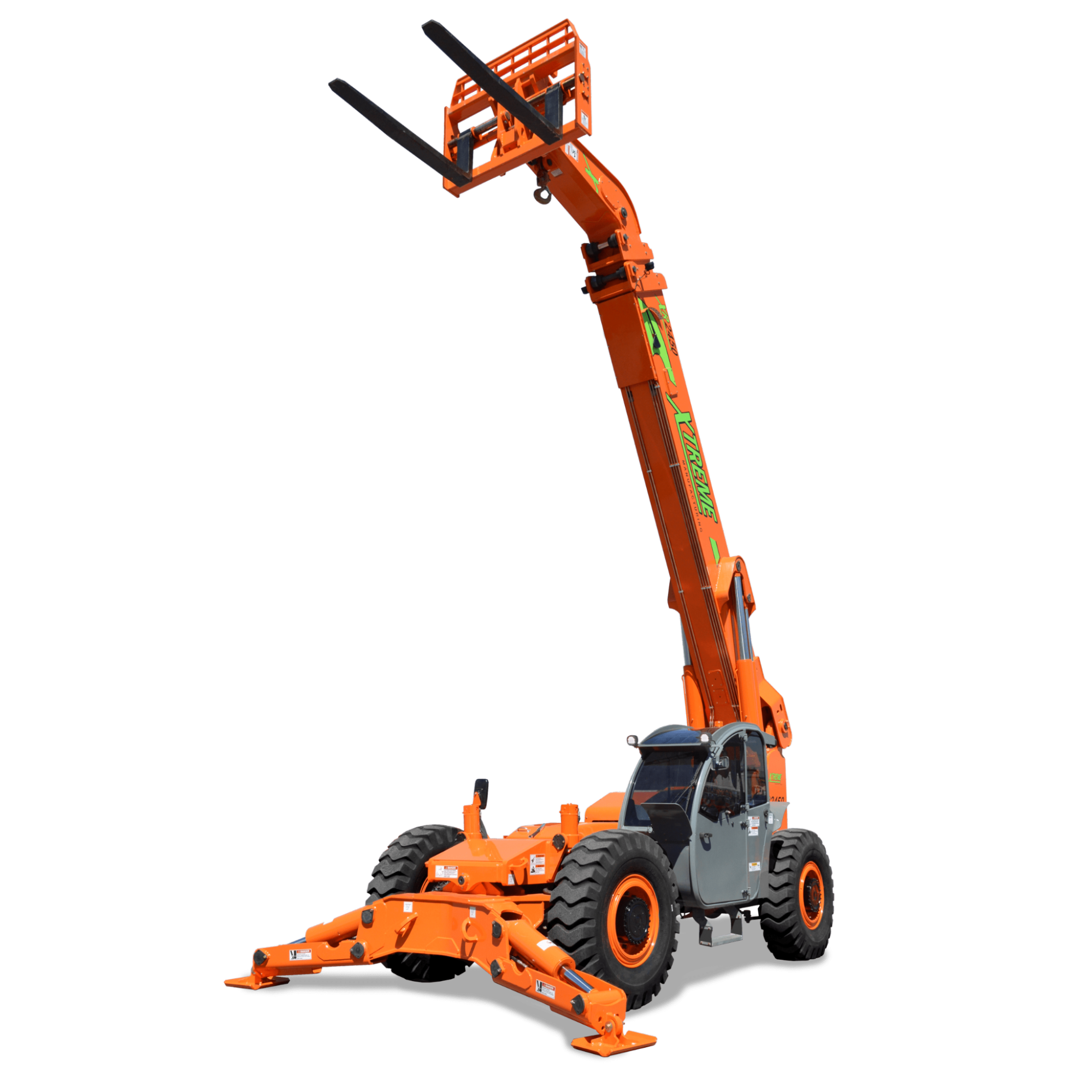
- Frame leveling and stabilizers: These let operators set loads with more control on uneven ground.
- Machine size: A compact unit fits between structures, while a larger model gives you more height and reach.
- Cab visibility: Operators work around crews all day, so sightlines matter more than most buyers expect.
Think About Attachments Early
A telehandler earns its place through versatility. Pallet forks come standard, but buckets, truss booms, and work platforms can make one machine do the work of several. Confirm the carriage style and hydraulic setup before you buy so the tools you need actually fit. Our team can help you sort through compatible attachments so compatibility questions get settled before the machine reaches your site, not after.
Look Past the Purchase Price
The sticker price is only one piece of the picture. Consider fuel use, tire wear, transport between sites, and how well the model suits your daily work. A machine that costs a little more but fits your loads can save money by reducing delays and idle labor. Ask for the full picture before you decide.
Own, Rent, or Do Both
Not every project justifies a purchase. If your workload is steady, owning a new telehandler for construction projects gives you control over scheduling and a clearer long-term cost. When demand jumps for a single phase, telehandler rental Houston contractors can book through us covers the gap without tying up capital. Many of our customers own one core machine and rent a second for peak weeks. Financing and leasing are available if you’re somewhere in between.
Where You Buy Matters as Much as What You Buy
A telehandler is only as productive as the support behind it. When a large corporate dealer routes your call through a regional queue, a part order can sit for days, and your crew sits with it. Delays like that cost more than the part itself. Sourcing problems show up as missed pours, idle labor, and rescheduled deliveries.
At American Lift & Equipment, Inc., we’re a local forklift dealer in Houston, TX, so the people who sell you the machine are the same ones who pick up the phone later. We keep parts in stock locally, which is designed to help reduce downtime, and our master mechanic brings hands-on experience to questions that come up after delivery. Sales, parts, and service are coordinated under one roof, so you aren’t chasing three different companies.
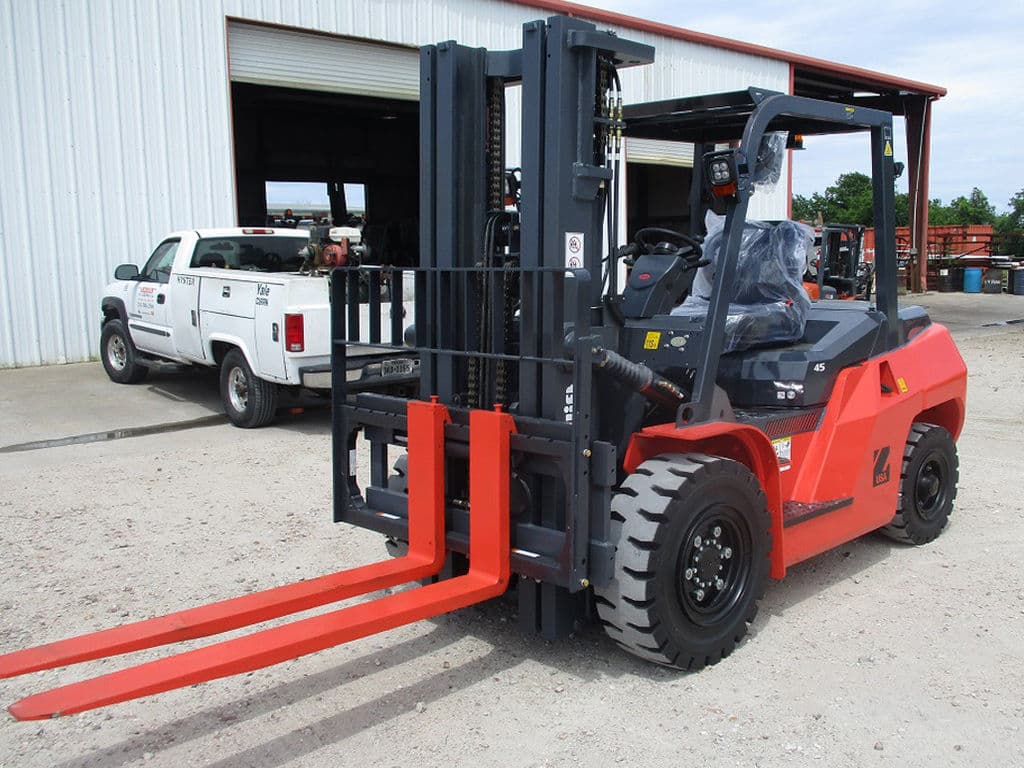
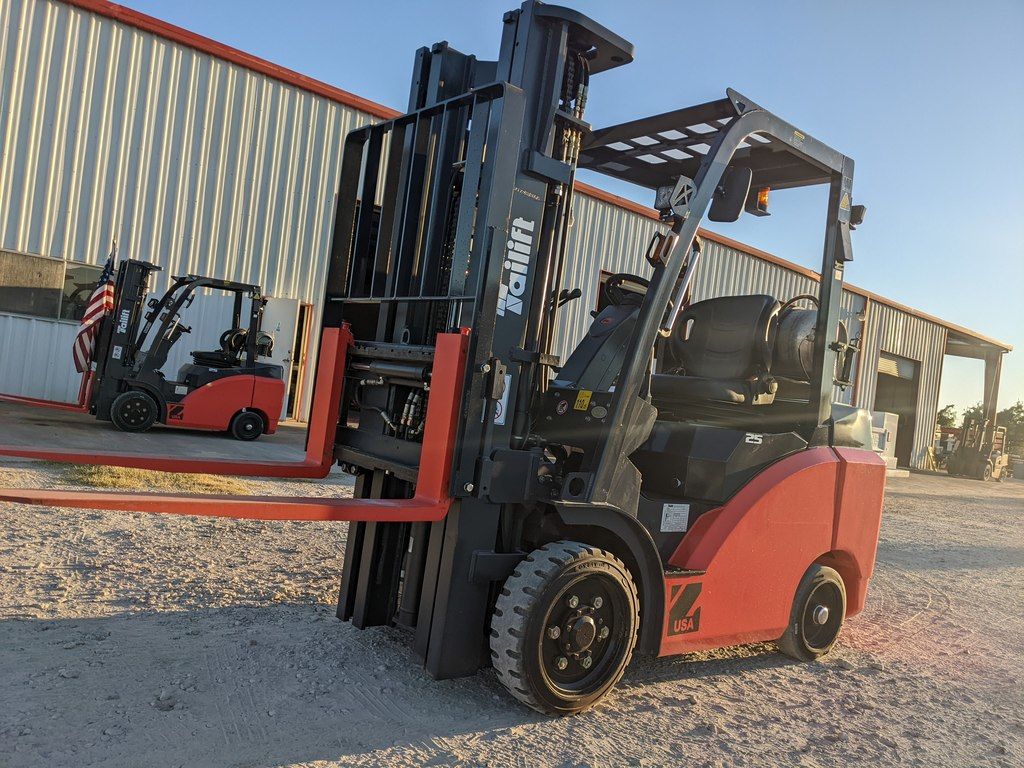
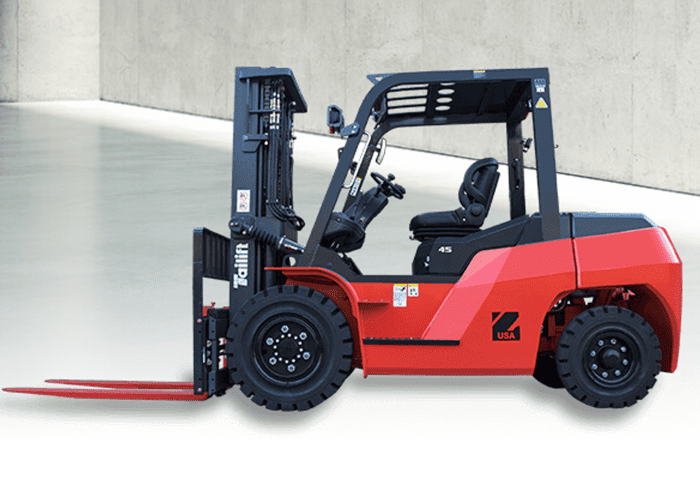
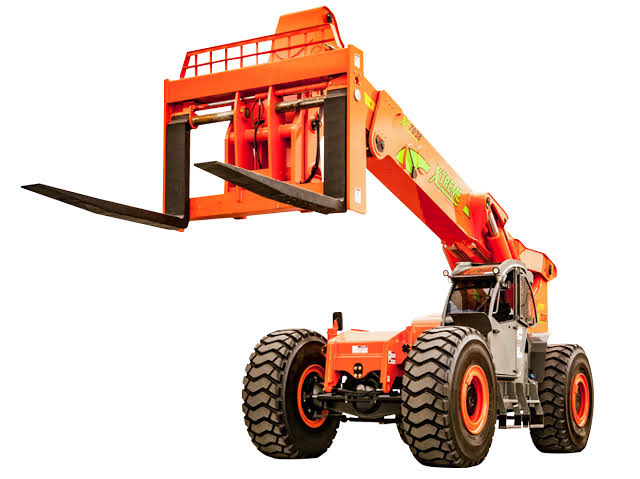
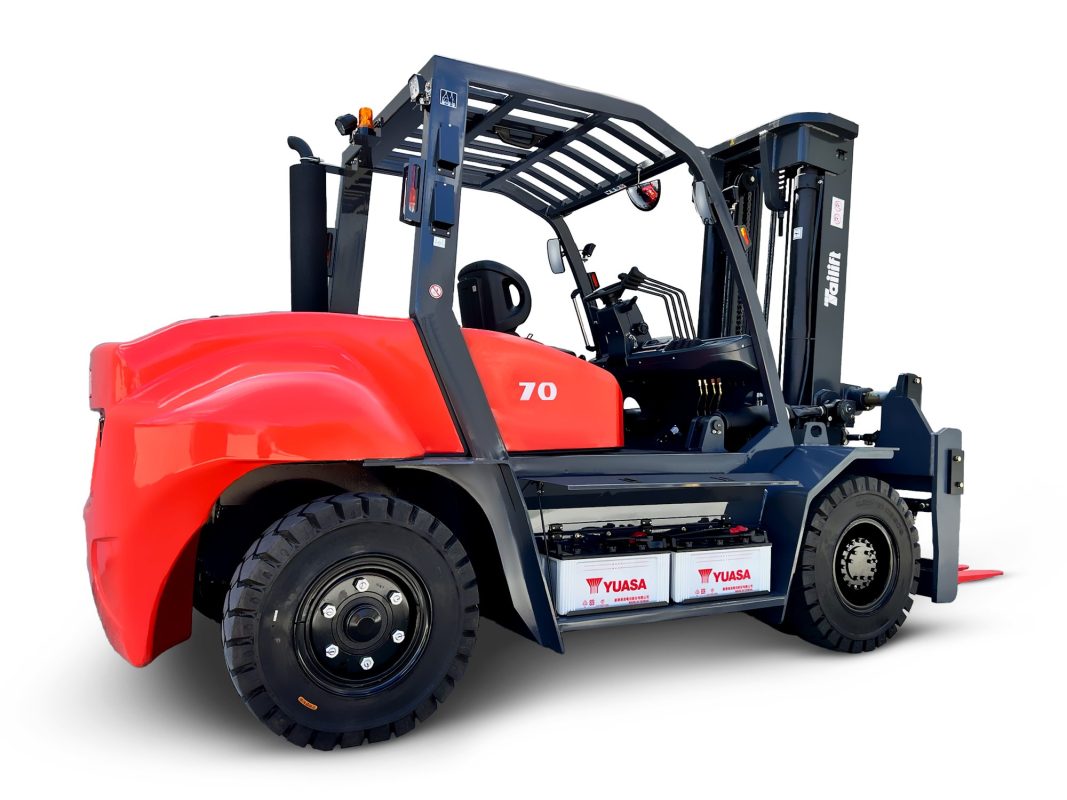
We carry Xtreme and Snorkel telehandlers, and our Tailift forklifts, backed by Toyota Industries Group engineering, cover the rest of your yard. Take a look at our new equipment lineup to see what’s on hand, with same-week availability when possible.
Plan for Operators and Fleet Fit
Telehandlers handle differently from forklifts. The boom changes how the machine balances, so operators need training on load charts and stability before the unit arrives on site. Also consider how the new machine fits your existing fleet. Shared attachments, common parts, and fewer distinct models all make it easier to keep equipment working and to move crews between machines without a learning curve.
Talk It Through With a Local Expert
If you’re sizing up a purchase or a rental, request a quote and tell us about your loads and site conditions. We can set up a demo so your operators can try the machine, or you can contact the team to speak with a local equipment expert. You can also explore equipment options any time.
Frequently Asked Questions
How do I choose the right telehandler size?
Start with your heaviest load, then work out how high and how far forward it has to go. Check the load chart at that reach and pick a model with some margin above it.
Can a telehandler replace a forklift on a construction site?
On rough ground and for placing materials at height, often yes. For repetitive pallet moves on a smooth slab, a forklift is usually the more efficient tool.
What matters most for a telehandler for construction projects on soft or muddy ground?
Four-wheel drive, the right tires, and stabilizers or frame leveling make the biggest difference. Good ground preparation helps too.
Is renting or buying the better choice?
It depends on utilization. If the machine works most weeks of the year, buying tends to make sense. For a single phase or a seasonal spike, renting is usually the better fit.
Conclusion
Adding a telehandler for construction projects comes down to a few honest questions: what you lift, where you work, how often you need the machine, and who answers when something goes wrong. Get those right and the machine pays for itself in fewer delays and smoother days on site. At American Lift & Equipment, Inc., we’d rather help you choose the right unit up front than sort out a mismatch later. Reach out, and let’s talk through your next project.