Most warehouses start with a counterbalance forklift, and for good reason. It loads trailers, moves pallets across the floor, and handles the yard. Then inventory grows, racking goes up, and aisles start to feel like the bottleneck. That is usually when the reach truck vs. counterbalance forklift question lands on someone’s desk.
The right answer depends on your building, your loads, and how your crew moves through a shift. Reach trucks are one option for narrow-aisle storage, but Flexi articulated forklifts are also worth considering. Here is how we walk Houston-area customers through it.
How the Two Machines Differ
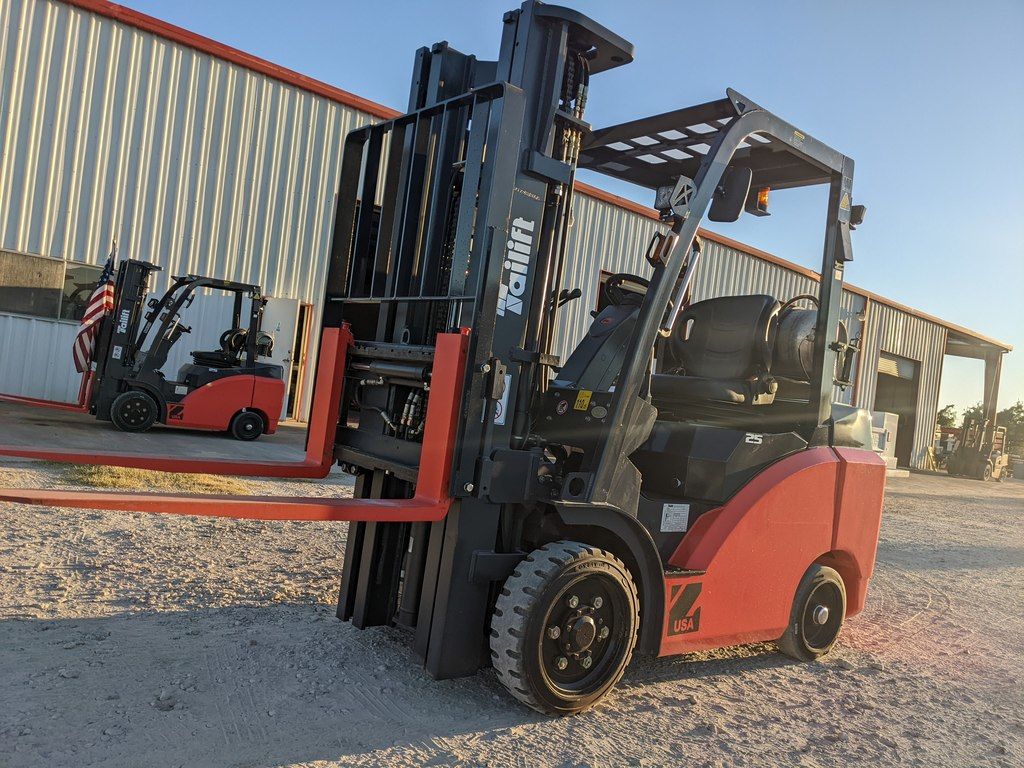
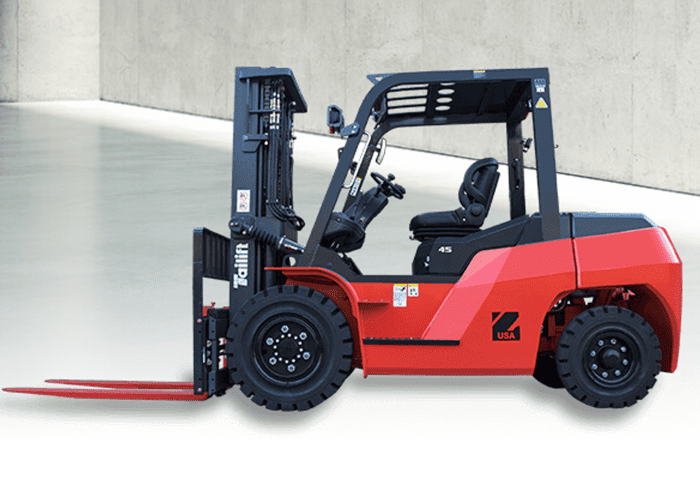
The main differences come down to how each machine handles loads, how much aisle space it needs, and the type of warehouse layout it works best in.
| Feature | Counterbalance Forklift | Reach Truck |
| How it works | Carries the load in front of the front axle and uses the truck’s rear weight for balance. | Extends the forks forward into the rack while keeping the truck within the aisle. |
| Typical aisle width | Around 12–13 feet for right-angle stacking. | Around 8–10 feet in suitable warehouse layouts. |
| Space requirements | Needs more room to turn and maneuver. | Works well in narrower aisles with limited maneuvering space. |
| Racking suitability | Suitable for a range of material-handling tasks and storage setups. | Designed for warehouse racking including taller storage systems. |
| Floor requirements | Depends on the forklift type and operating environment. | Smaller wheels are generally suited to smooth indoor floors. |
| Main consideration | Versatility across different material-handling tasks. | Efficient use of warehouse space and narrow-aisle storage. |
Note- Aisle widths are general estimates. Actual requirements depend on the specific truck model, load dimensions, turning radius, and rack layout.
Where Does Flexi Fit In?
Flexi articulated forklifts offer another approach to narrow-aisle warehouse storage. Instead of using the extending mast arrangement found on a traditional reach truck, Flexi uses an articulated design that allows the truck to turn, and position pallets in tight spaces.
This makes Flexi worth considering when a warehouse needs more storage capacity without expanding its footprint. Depending on the model and operating conditions, Flexi equipment can also handle movements between warehouse storage and loading areas, reducing the need to transfer pallets between different trucks.
Five Signs Your Warehouse May Benefit From a Narrow-Aisle Forklift
Your aisles are wide and your rack positions are few. If you are running 12-foot aisles, narrowing them can add pallet positions without adding a square foot of lease. Flexi’s articulated design may help you make better use of that space.
Your racking keeps climbing. Once pallets sit at 20 feet or higher, equipment selection becomes more important. Flexi models designed for higher racking may be suitable, provided their lift height and rated capacity match your loads.
Floor space is costing you. Building up is often less expensive than leasing more warehouse. A narrow-aisle layout with suitable Flexi equipment may allow you to increase storage density without moving facilities.
Your floors are smooth and indoors. Reach trucks do their best work on level concrete. Flexi forklifts are also designed for warehouse environments, with certain models offering additional flexibility for movements between indoor storage and loading areas.
Your pallet loads are moderate. Most reach trucks are rated in the range of 3,000 to 4,500 pounds. Flexi models have different lifting capacities, so load weight, load center, and lift height should be checked before choosing a machine.
When a Counterbalance Forklift Is Still the Better Call
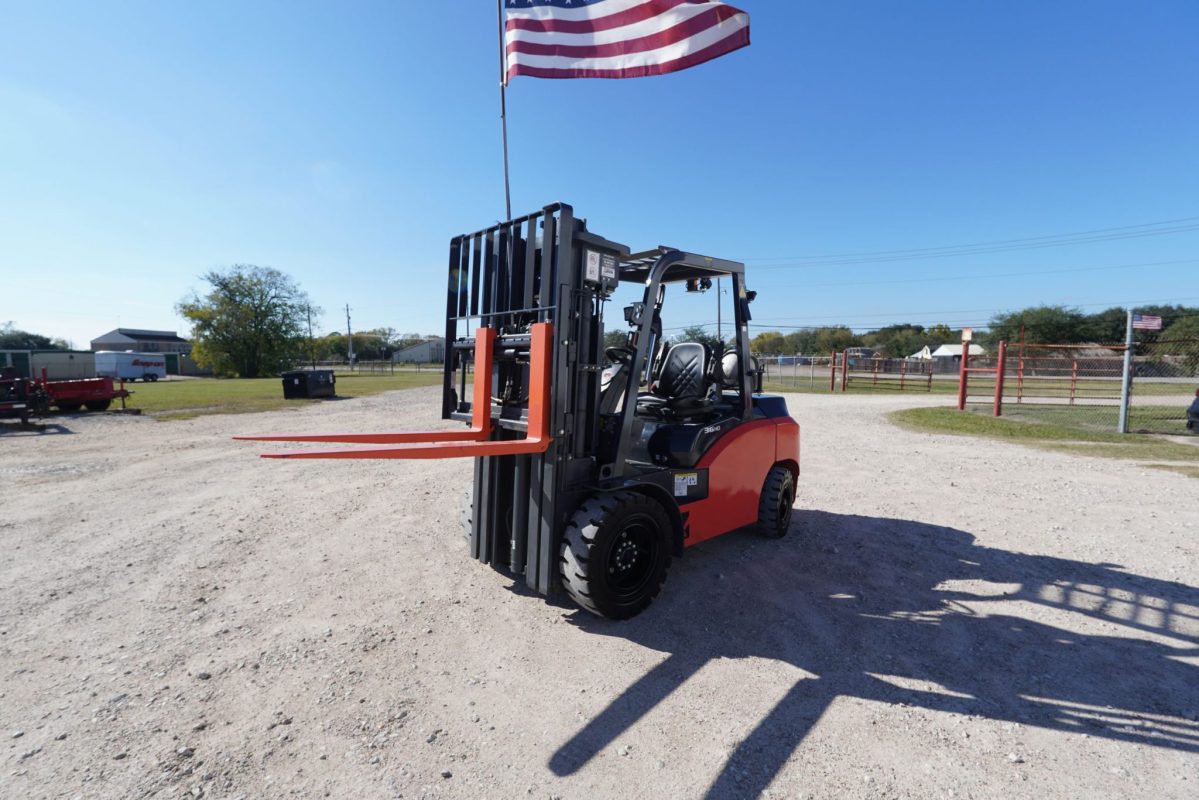
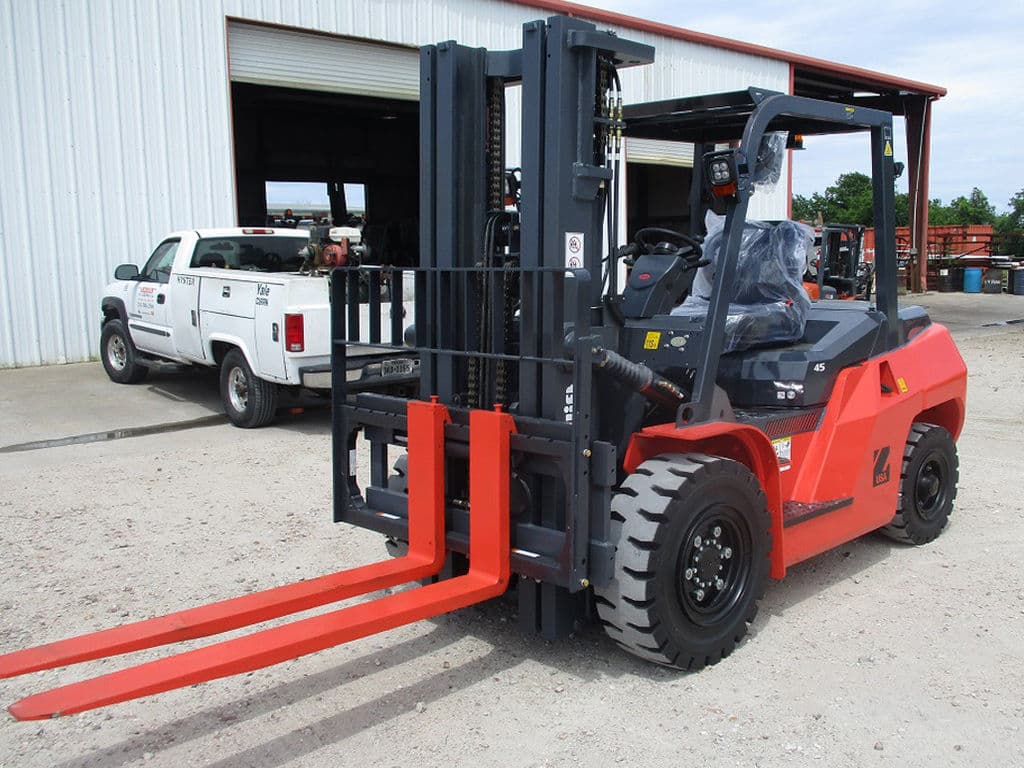
A reach truck is not a cure for every operation. If your day includes trailer loading, yard work, ramps, rain, or cracked pavement, a counterbalance forklift handles it better. Heavy or oversized loads fall in the same category. The right attachments can also help adapt a forklift to specific material-handling tasks.
Some Gulf Coast warehouses may benefit from combining counterbalance forklifts at the dock and in the yard with Flexi equipment for narrow-aisle storage. In suitable applications, a Flexi forklift may also handle work across both areas. The right setup depends on your layout, loads, and operating conditions. And if peak season stretches your dock equipment, forklift rental Houston options can cover the gap without a long-term commitment.
What the Wrong Choice Costs
The wrong machine rarely shows up on day one. It shows up as slower putaway, product damage, rack strikes, and operators working around the equipment instead of with it. Those are workflow disruptions, and they add up over a few months. A truck that cannot reach your top beam or turn in your aisle costs you something every shift.
Availability matters too. If you have waited on a part or a callback from a large dealer’s regional queue, you know how one stalled truck can back up an entire dock. We keep parts stocked locally and offer same-week availability on equipment when possible, so delays stay shorter and your team keeps moving.
Ownership Considerations for Electric Trucks
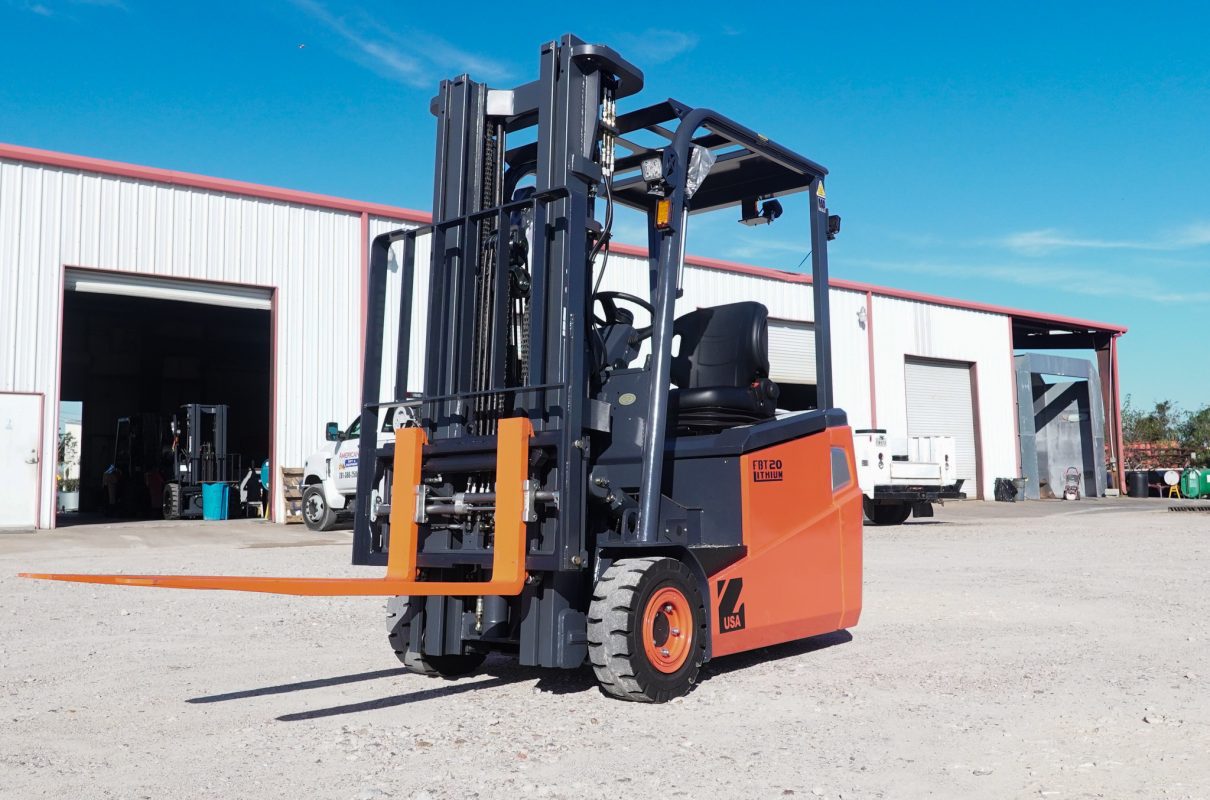
Reach trucks and Flexi articulated forklifts use electric power, so the buying conversation covers more than the truck. Where will chargers go? Does the battery setup support your shift schedule? How many operators need training on the equipment? These questions sit behind most electric forklifts Houston purchases, and they affect warehouse productivity as much as the truck itself.
Operators also need training that matches OSHA powered industrial truck requirements. A basic understanding of routine inspections helps you plan for forklift service Houston needs down the road, so nothing about ownership comes as a surprise.
Why We Do This Differently
At American Lift & Equipment, Inc., we are a local team in Alvin, not a national call center. When you ask us about the reach truck vs. counterbalance forklift trade-off, you talk with someone who looks at your aisle widths, rack heights, and floor conditions, and who can walk your site when it helps. Our master mechanics have seen how these machines hold up in Gulf Coast warehouses, and that experience shapes what we recommend.
For warehouses looking to make better use of narrow aisles, we can also discuss Flexi articulated forklifts as an alternative to traditional reach trucks. Rather than recommending equipment based on aisle width alone, we look at the loads you’re moving, how high they need to go, and whether the truck will also work around loading areas.
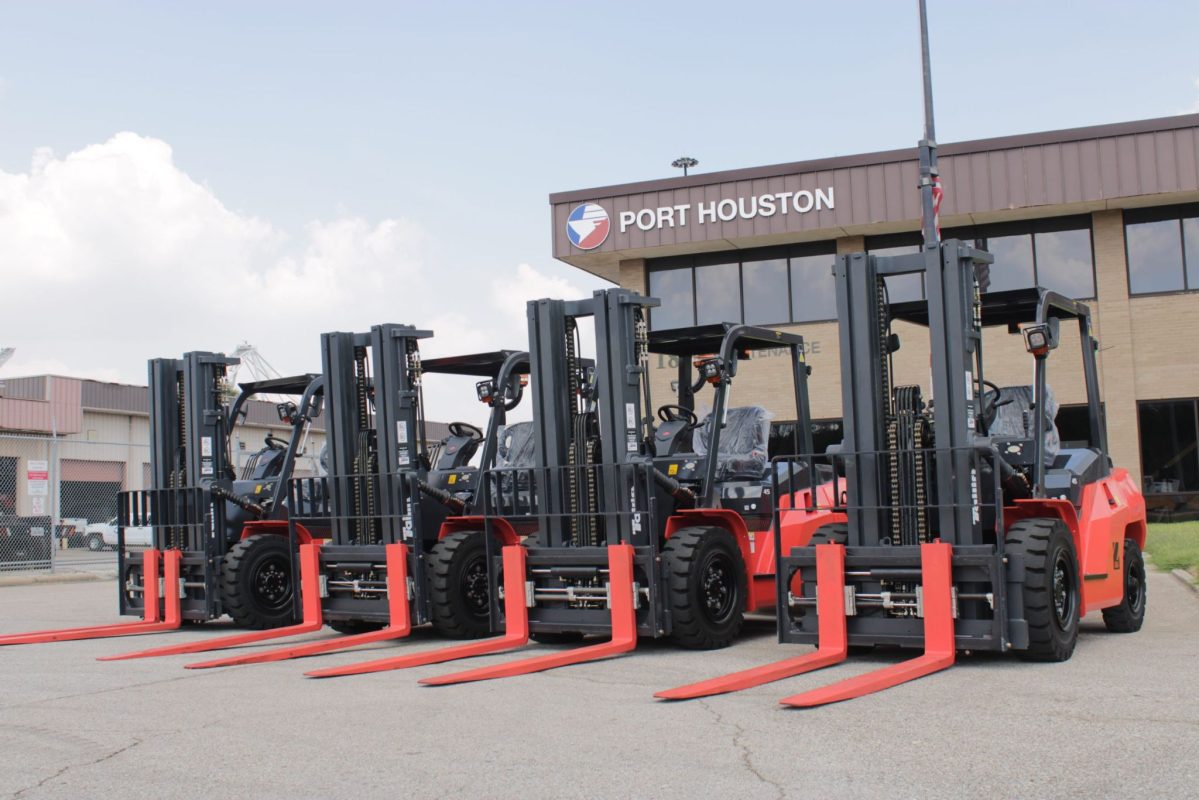
We carry Tailift equipment, built on engineering from Toyota Industries Group, and our sales, parts, and service teams work under one roof, so your questions do not get passed from desk to desk. As a forklift dealer in Houston, TX, we are easy to reach by phone or in person, we stand behind what we sell and answer for it locally.
Frequently Asked Questions
How narrow can aisles get with a reach truck?
Many reach trucks work in aisles of roughly 8 to 10 feet, depending on the model, load size, and rack layout. Flexi articulated forklifts may work in narrower spaces, depending on the model. We check your actual numbers before recommending anything.
Can a reach truck work outdoors or on rough floors?
Generally not well. They are built for smooth indoor surfaces. For docks, yards, or uneven concrete, a counterbalance forklift is often the better fit. Certain Flexi models can also work between warehouse and loading areas, depending on surface conditions.
Is the reach truck vs. counterbalance forklift decision only about lift height?
Height matters, but aisle width, floor condition, load weight, and how often operators move between indoor and outdoor areas matter just as much. Flexi may also be worth considering when narrow aisles are a priority.
What is the difference between a Flexi forklift and a reach truck?
A traditional reach truck extends its forks into the racking, while a Flexi forklift uses an articulated design to maneuver in narrow aisles. Both can support warehouse storage, but Flexi may offer more flexibility for operations that need to move pallets between storage aisles and loading areas.
Can I try a machine before I buy?
We can discuss demo options so your operators can evaluate suitable equipment in a space that looks like yours. Contact our team to check availability and arrange the next steps.
Conclusion
A reach truck makes sense when tight aisles, tall racking, and smooth indoor floors define your warehouse. But it is not the only option. Flexi articulated forklifts can also work well in narrow-aisle warehouse layouts, while counterbalance forklifts remain a practical choice for docks, yards, and heavier loads. Some operations benefit from a combination, and the goal is to match each machine to the work it does best.
At American Lift & Equipment, Inc., we would rather help you choose equipment that fits your warehouse than sell you the wrong machine. If you’re comparing narrow-aisle options, ask us about Flexi and how it might fit your layout. Request a quote, speak with a local equipment expert, or explore our equipment options. If you would like to talk it through first, contact the team and we will start with your floor plan.