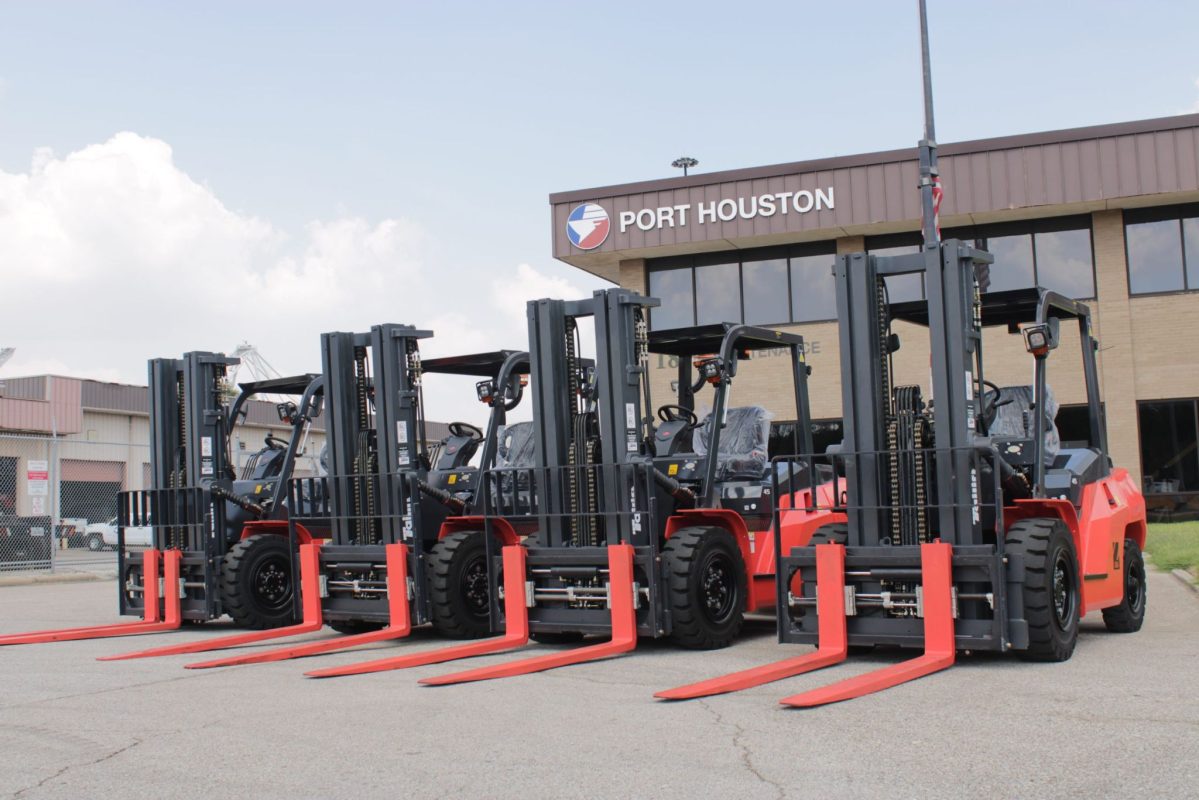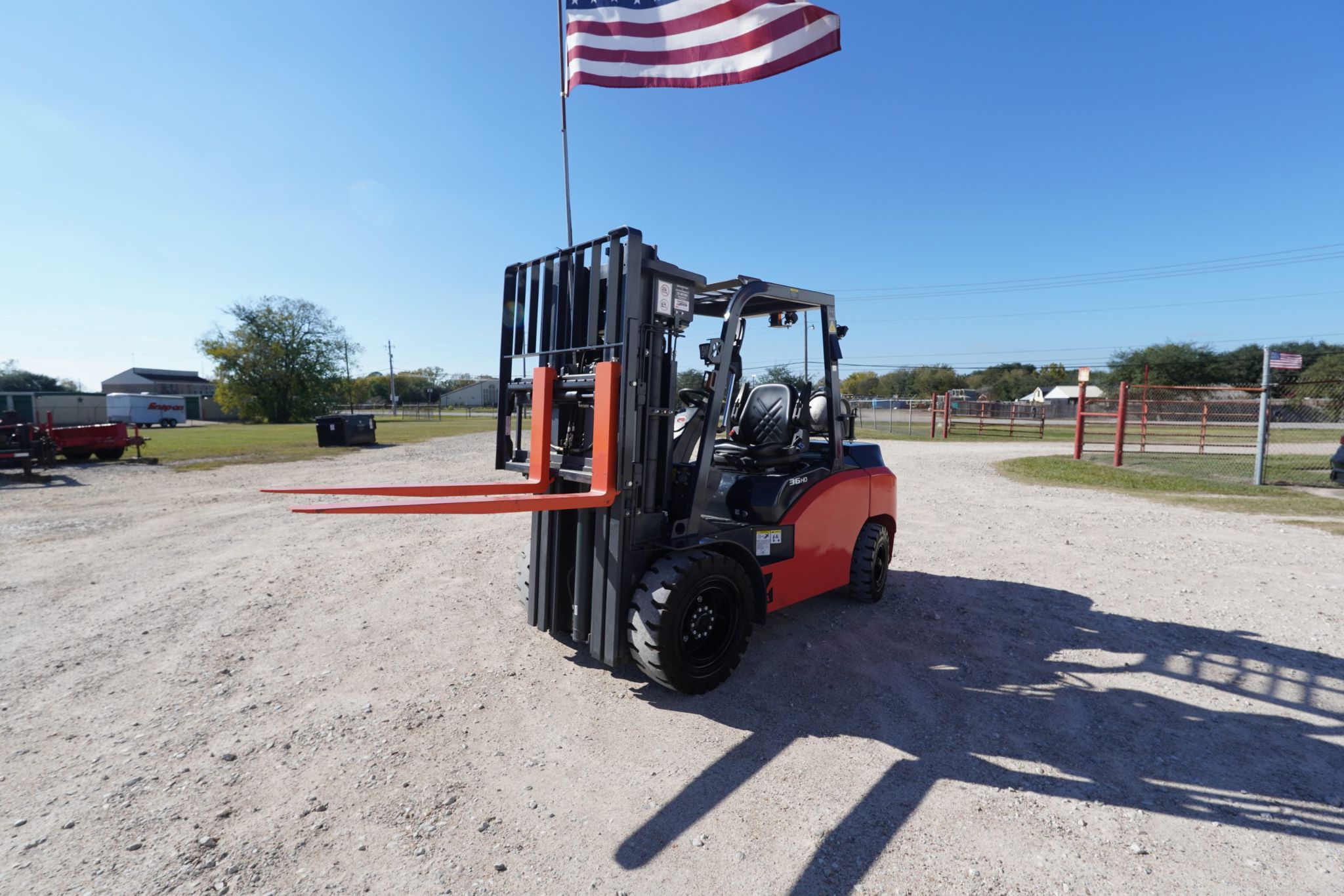
An electric forklift rarely shows performance issues all at once. The changes usually appear gradually, slightly slower lift speeds, reduced battery consistency, or workflow delays that become more noticeable across shifts. Many businesses assume the equipment itself is the problem, but the larger issue is often connected to long-term operational planning, parts accessibility, and fleet management decisions.
In many warehouse environments, forklift performance is influenced not only by the machine, but also by factors such as parts accessibility, usage patterns, workload demands, and fleet planning decisions.
At American Lift & Equipment, Inc., conversations around forklift performance often involve long-term usability, parts planning, and overall fleet coordination.
Performance Problems Are Often Misunderstood
When an electric forklift begins operating less efficiently, many teams focus on batteries, operator habits, or workload increases. While those factors can contribute, they are often only part of the larger picture.
In many cases, performance changes are connected to:
- inconsistent equipment planning
- delayed component replacement
- limited parts availability
- increasing workload demands
- aging fleet coordination challenges
Equipment performance typically changes gradually rather than through a single major failure. This is especially common in high-use warehouse environments where forklifts operate continuously across multiple shifts.
Why Parts Availability Impacts Long-Term Reliability
An electric forklift depends on a wide range of electrical and mechanical components working together consistently. When replacement parts become difficult to source, even smaller equipment issues can begin affecting overall performance.
The challenge is often maintaining consistent equipment availability over time. In many operations, the larger concern is how quickly businesses can access the components needed to maintain equipment consistency over time.
Limited parts access can contribute to:
- extended equipment downtime
- reduced workflow consistency
- uneven fleet performance
- increased strain on other equipment
For businesses operating larger fleets, parts sourcing strategy often becomes an important part of long-term fleet reliability planning.
Small Delays Often Create Larger Workflow Issues
Warehouse slowdowns rarely come from a single event. More often, they develop through smaller operational disruptions that gradually affect productivity across multiple departments.
For example:
- one forklift operating below normal performance
- inconsistent charging cycles
- equipment temporarily unavailable
- operators adjusting workflows around unreliable equipment
Individually, these issues may appear manageable. Over time, however, they can affect scheduling, throughput, and labor coordination throughout the facility.
This is why many businesses are placing greater emphasis on fleet uptime strategy and long-term equipment planning rather than making short-term equipment decisions as conditions change.
Battery Performance Is Often Connected to Broader Operational Factors
Battery-related concerns are common with any electric forklift, but battery performance is not always an isolated issue.
Reduced runtime or charging inconsistency may also be influenced by:
- charging infrastructure limitations
- electrical connection wear
- usage intensity across shifts
- equipment age
- broader fleet utilization patterns
Understanding these connections helps businesses evaluate forklift performance more accurately rather than assuming every issue originates with the battery itself.
Equipment Reliability Depends on Long-Term Planning
Warehouse and distribution operations rely heavily on consistency. Even small variations in equipment performance can gradually affect workflow timing, labor coordination, and material handling efficiency.
Businesses often benefit from evaluating:
- equipment lifecycle planning
- fleet utilization patterns
- replacement timing
- parts sourcing access
- long-term workload demands
These discussions typically have a greater long-term operational impact than focusing only on isolated equipment issues.
At American Lift & Equipment, Inc., conversations around electric forklift reliability are centered around operational fit, long-term usability, and equipment planning rather than short-term reactive decisions.
What Consistent Fleet Reliability Planning Looks Like
High-performing forklift operations are usually supported by structured planning rather than reacting only when equipment performance changes.
That may include:
- evaluating fleet age and usage trends
- monitoring equipment consistency across shifts
- improving parts sourcing visibility
- aligning equipment capability with workload demands
- planning for long-term operational scalability
For many warehouses, reliability improves when forklift planning becomes part of broader operational strategy.
Exploring the Right Electric Forklift Strategy
If your electric forklift fleet is showing inconsistent performance, the issue may involve more than the equipment itself.
Businesses often benefit from evaluating:
- long-term usage expectations
- workload distribution
- fleet reliability patterns
- parts accessibility
- equipment replacement timelines
At American Lift & Equipment, Inc., we help businesses evaluate forklift options and long-term equipment strategies based on operational requirements and warehouse conditions.
Conclusion
The long-term performance of an electric forklift is influenced by far more than the machine alone. Parts availability, equipment planning, workload demands, and fleet coordination all contribute to how consistently equipment performs over time.
In many operations, performance issues develop gradually through smaller inefficiencies that become more noticeable as operational demands increase.
At American Lift & Equipment, Inc., we understand that long-term forklift reliability depends on making equipment decisions that align with real warehouse conditions, usage patterns, and operational goals.
FAQs
1. What causes an electric forklift to lose performance over time?
Long-term reliability changes are often connected to factors such as equipment age, workload intensity, charging consistency, parts availability, and fleet usage patterns.
2. Why is parts availability important for electric forklifts?
Limited access to replacement components can affect equipment consistency, workflow timing, and long-term fleet reliability across warehouse operations.
3. Are battery issues always caused by battery failure?
Not always. Charging systems, electrical connections, operating conditions, and usage demands can also influence battery-related performance.
4. What factors affect electric forklift reliability?
Reliability is often influenced by workload demands, equipment planning, fleet age, parts sourcing access, and overall operating conditions.
5. How can businesses improve long-term electric forklift performance?
Many businesses benefit from evaluating fleet planning, replacement timing, equipment usage patterns, and operational demands on a regular basis.