A fleet that looks right at 10 a.m. can look very different at 2 a.m. Second and third shifts bring different staffing, different dock schedules, and less patience for a truck that is out of service. We talk with warehouse managers across Houston who sized their fleet for one shift, then added hours without revisiting the math. The result is familiar: operators waiting for a truck, pallets stacking up at the dock, and a scramble for equipment in the middle of the week.
Effective forklift capacity planning starts with reviewing the number of pallets moved per shift, peak receiving and shipping periods, and how often equipment is shared between teams. A small gap in availability can affect several departments at once.
Start With Truck Hours, Not Headcount
Good forklift capacity planning starts with how many hours of lifting work each shift creates. Break the day into tasks: unloading, putaway, replenishment, picking, staging, and loading. Estimate how many pallet moves each task requires and how long a typical move takes, including travel distance and wait time at the dock.
Then plan around peak volume, not the average week. A fleet sized for a slow Tuesday can struggle the Friday before a big shipment goes out. Also look at utilization. A truck running 16 hours a day has a different duty cycle than one used for six, and it will wear, charge, and need attention on a different schedule.
Plan the Shift Handoffs
Shift change is where fleets get tight. The outgoing crew is finishing loads while the incoming crew needs trucks for pre-shift checks and early picks. If every operator expects a dedicated truck, you need more units. If crews share, you need a clear handoff routine and a place to park, fuel, or charge.
Power type matters here. For indoor, high-throughput work, many facilities look at electric forklifts in Houston because of quieter operation and lower in-building emissions, but the charging plan has to match the shift pattern. Battery rotation, opportunity charging, and charger location all affect how many trucks are actually available at 3 a.m. We help customers map that out before they buy, not after.
Match the Truck to the Task
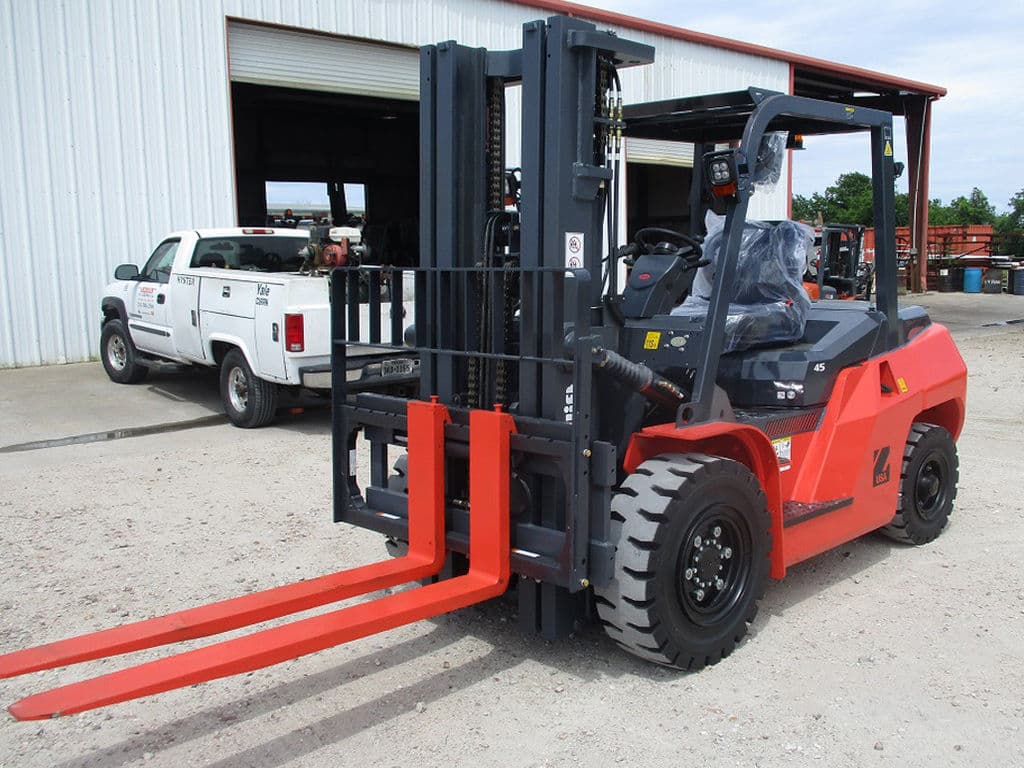
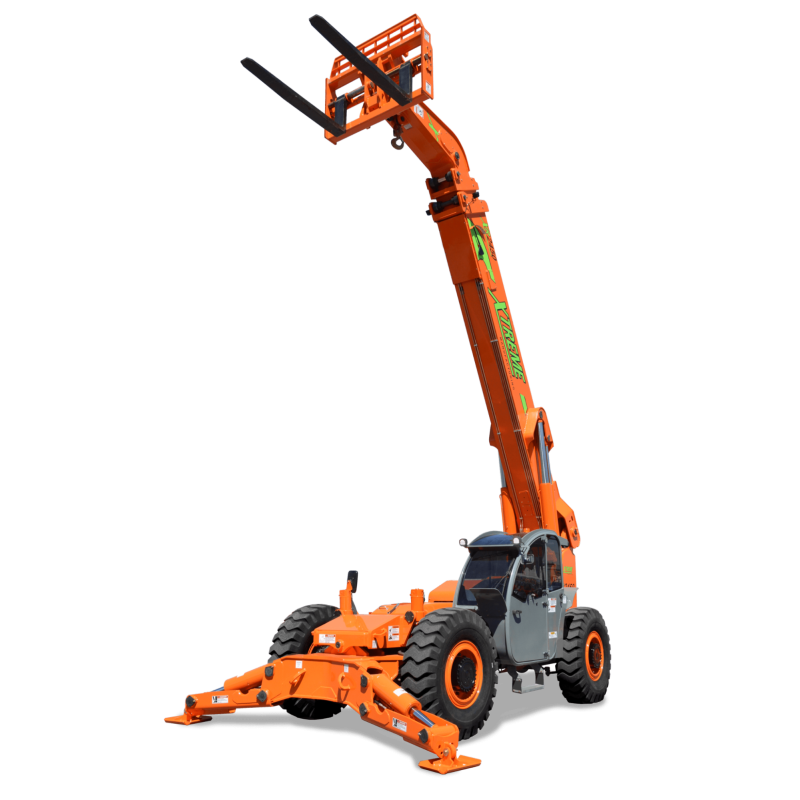
Day shift might be heavy on receiving, with bigger loads and longer reaches. Night shift might be mostly picking and replenishment in tighter aisles. One truck type rarely fits both. Check rated capacity against your heaviest pallet, confirm load center and mast height for your racking, and think about tires and attachments for your floor and product.
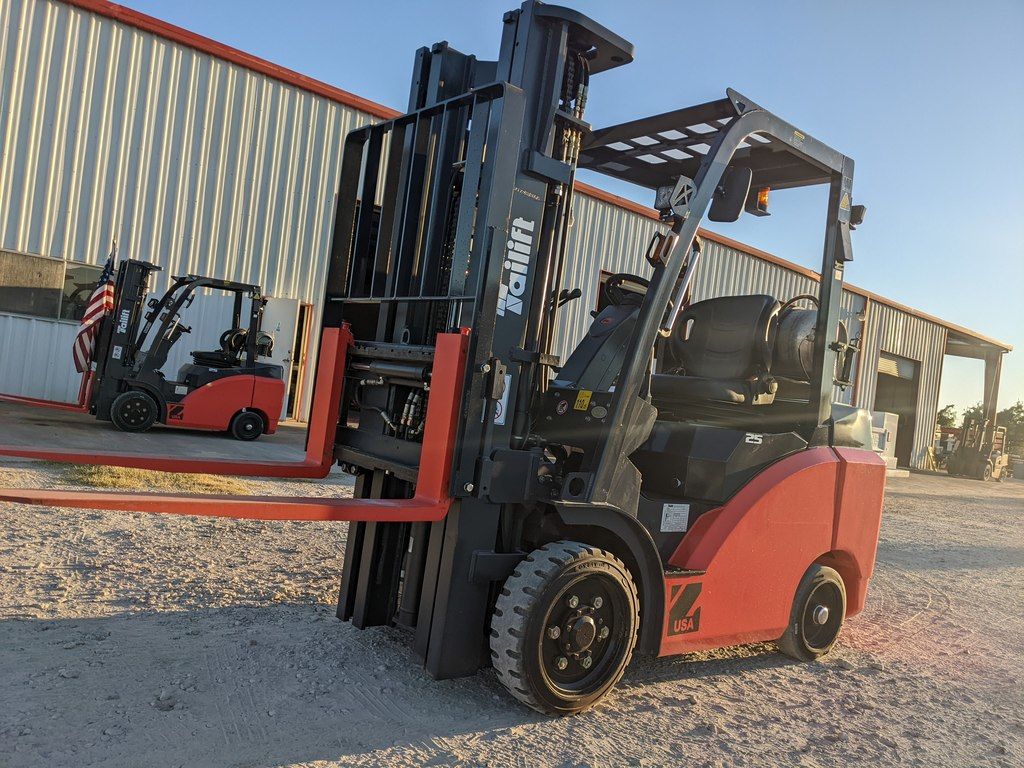
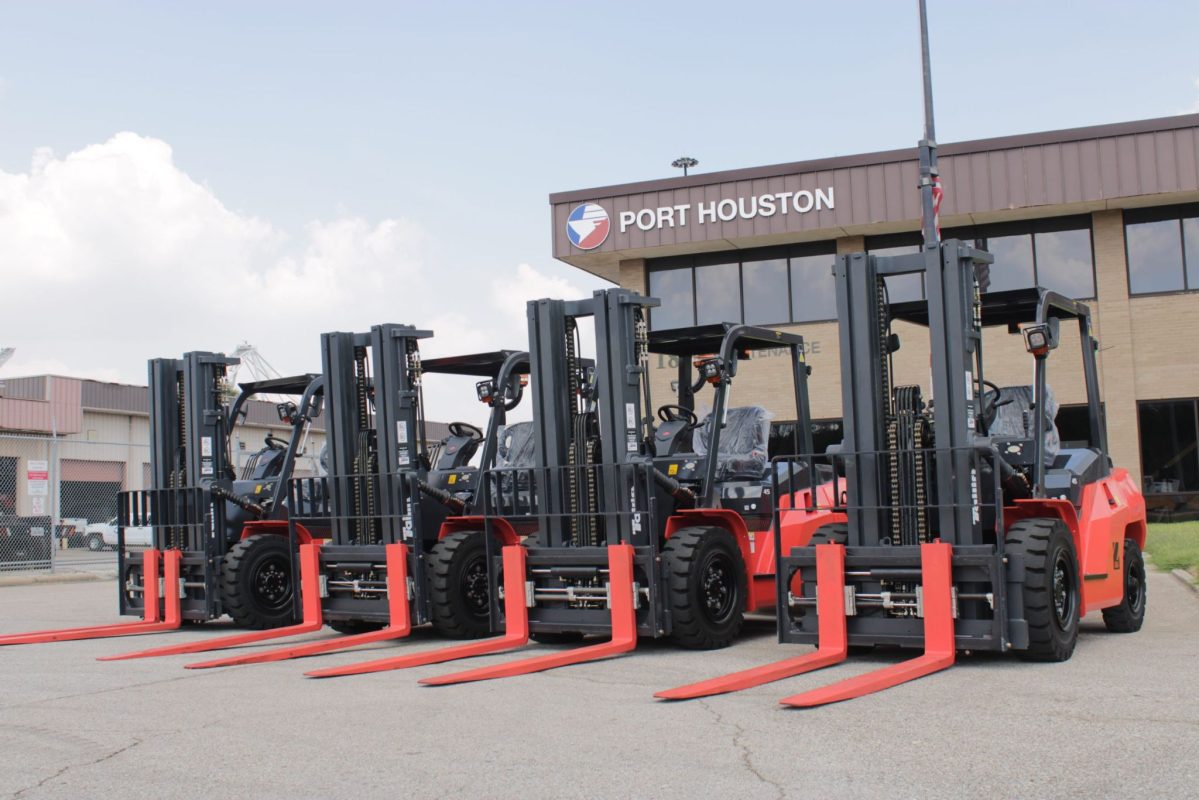
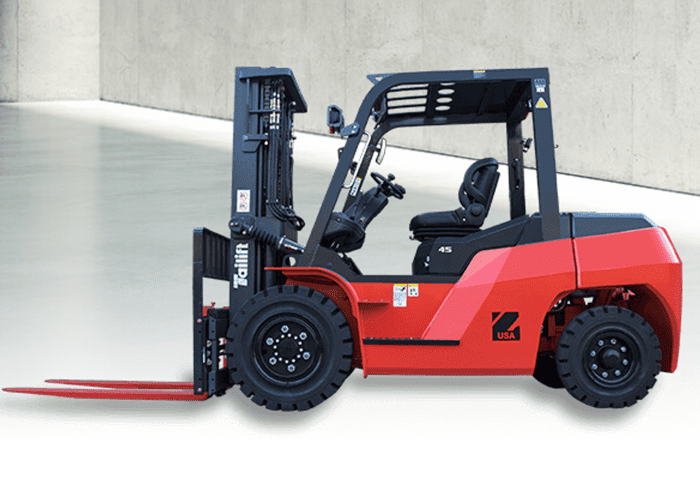
Standardizing on fewer models has a practical upside: operators train once, and parts overlap. That is one reason our customers value Tailift, which is backed by Toyota Industries Group engineering and built for demanding daily use.
Build In a Buffer for Peaks and Breakdowns
Every plan needs some give. A spare unit or two gives you room when a truck is out for repair or a rush order lands late. Strong forklift capacity planning also separates permanent needs from temporary ones. A seasonal spike, a new customer contract, or a trial third shift is often a good fit for a forklift rental in Houston, since you can add capacity without committing to a purchase before the numbers are proven.
Scheduled servicing belongs in the plan too. When you compare options for forklift service in Houston, ask how parts are sourced and how fast a technician can reach your site, because those answers decide how long a down truck stays down.
Why Local Support Changes the Math
On a single shift, a delayed repair costs a day. On three shifts, it costs three, and the delay ripples into receiving, picking, and outbound loads. Larger dealers often route requests through regional call centers and pull parts from distant warehouses. That can add days your schedule does not have.
At American Lift & Equipment, Inc., we run a different model. As a forklift dealer serving Houston, TX, Beaumont, and Galveston, we coordinate sales, parts, and service under one roof, so you work with the same local team from equipment selection through day-to-day support. We stock parts locally, our master mechanics know the equipment they work on, and our response is built around reduced delays, with same-week availability when possible. You get people who know your site, not a ticket number.
A Practical Way to Run the Numbers
- Pull 60 to 90 days of shift data covering pallet moves and truck usage.
- Mark peak windows and handoff times.
- Calculate truck hours needed per shift, then add a buffer.
- Compare the total to your current fleet and flag gaps.
- Revisit the plan each quarter or whenever volume shifts.
If you would like a second set of eyes on your numbers, contact our team to speak with a local equipment expert, request a quote, or schedule a demo to see the equipment on your own floor.
Frequently Asked Questions
How many forklifts do I need for a second shift?
It depends on task mix and overlap, not just headcount. Add up the truck hours each shift requires, then plan extra units for handoffs and spare coverage.
Is renting or buying better when I am adding a shift?
Rentals work well while you test volume. Once demand holds steady, buying new equipment usually makes more sense for the long term.
Should I standardize my fleet on one brand?
It simplifies operator training and parts, though some operations still need specialized trucks for narrow aisles or heavy loads.
What should I ask a dealer about parts availability?
Ask which common parts are stocked locally and what response time to expect at your site.
Conclusion
Multi-shift operations leave little room for guesswork. Sound forklift capacity planning gives you a fleet sized for real demand, with room for handoffs and peaks. At American Lift & Equipment, Inc., we work with Houston-area teams to match equipment to their shifts and support it with local parts and responsive follow-up. Contact our team to explore equipment options, and build a plan that keeps your operation moving.
As your business grows, the way you use forklifts may change. You might notice one shift running short on equipment while another has trucks sitting idle. These are signs worth looking at before buying anything new. Our team can talk through your workload, understand where things get held up, and help you figure out which equipment makes sense for your operation.