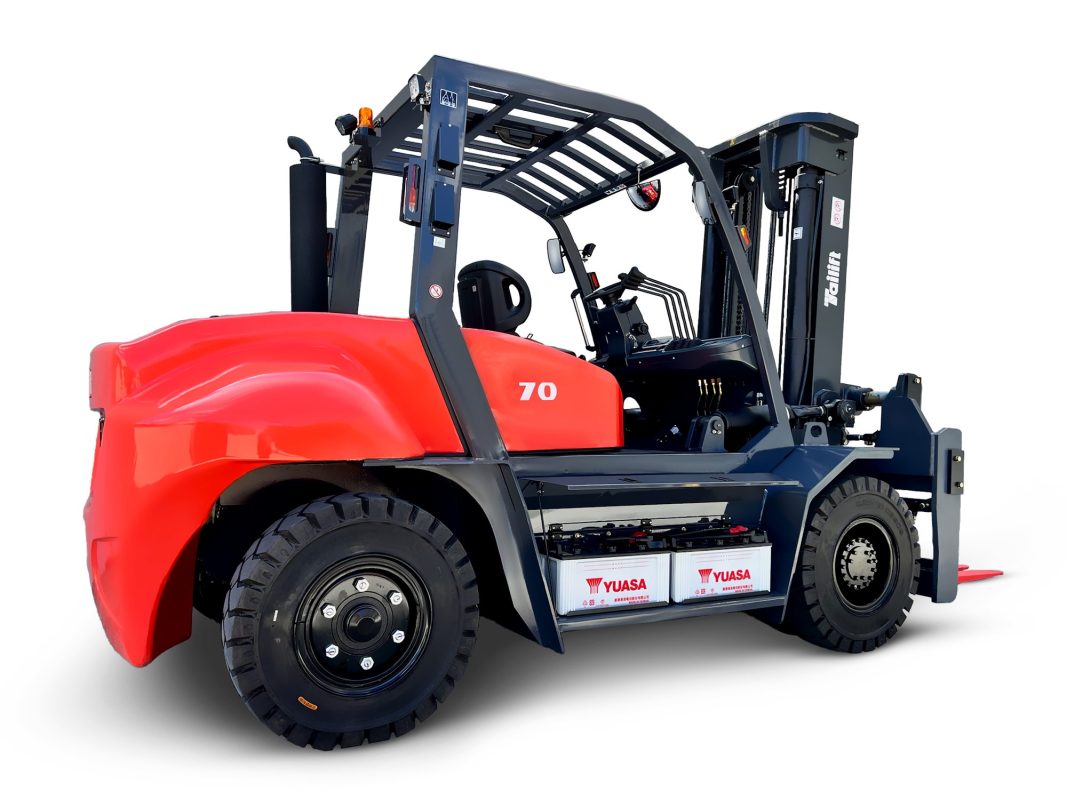
Buying equipment often feels like a straightforward operational decision because the benefits are easy to see upfront. However, the long-term value of a forklift depends less on the purchase itself and more on how well that equipment aligns with daily workload demands, warehouse conditions, and overall fleet planning.
Many businesses searching for a “forklift for sale” focus primarily on pricing or availability, but long-term reliability and operational fit usually have a greater impact over time.
A forklift is not just a purchase decision. It becomes part of the operational structure of the business.
The Gap Between Purchasing Equipment and Managing It Long Term
Comparing lifting capacity, fuel type, and model features is relatively straightforward. What becomes more difficult is understanding how a forklift will perform after months of continuous use in real operating environments.
Every operation places different demands on equipment:
- warehouse traffic patterns
- load frequency
- aisle width
- outdoor exposure
- shift duration
- operator usage consistency
Over time, these conditions influence equipment performance, operating costs, and overall reliability.
This is why businesses evaluating a “forklift for sale” benefit from looking beyond the initial transaction and considering how the equipment will support day-to-day operations over the longer term. Choose an experienced local forklift dealer who will ask you the right questions about your operations, to recommend the very best forklift for your business.
Downtime Affects More Than the Equipment Itself
When a forklift becomes unavailable, the impact usually extends well beyond a single machine.
Workflows may begin slowing across:
- loading schedules
- staging areas
- shipping coordination
- inventory movement
- labor allocation
Even smaller equipment disruptions can gradually create scheduling pressure throughout the operation. And of course, safety matters. New forklifts can have the latest safety features to prevent accidents. Ask us about our forklifts' safety features.
For many businesses, the larger issue is not the isolated equipment problem itself, but the ripple effect it creates across teams and timelines.
That’s why forklift planning should include discussions around usage cycles, fleet sizing, backup availability, and overall equipment strategy rather than focusing only on acquisition cost.
Long-Term Equipment Planning Still Matters
Forklifts experience continuous wear through everyday use, but long-term equipment performance is influenced just as much by operational planning as by overall usage strategy. Businesses exploring a “forklift for sale” often benefit from evaluating how the equipment will align with long-term usage patterns rather than focusing only on the initial purchase.
Factors such as:
- usage frequency
- operating environment
- fleet consistency
- replacement timing
- operator workload
all contribute to how effectively equipment performs over time.
Rather than over-focusing on reactive maintenance discussions, many businesses benefit from a broader equipment strategy centered around lifecycle planning and operational stability.
Choosing Equipment Based on the Actual Work Environment
Not every forklift is suited for every application. One of the most common purchasing mistakes is selecting equipment based primarily on upfront cost rather than operating conditions.
For example:
- Electric forklifts in Houston are often preferred for indoor environments because of lower noise levels and reduced emissions
- Outdoor applications may require models designed for uneven terrain or heavier lifting demands
- High-density warehouse layouts often benefit from equipment designed for tighter maneuverability
At American Lift & Equipment, Inc., equipment discussions are centered around operational fit, workload expectations, and long-term usability rather than matching inventory demand.
The right equipment choice often improves worker safety, work productivity, and consistency of results over time.
Rental and Ownership Serve Different Operational Goals
Not every business requires long-term ownership. In some situations, forklift rental Houston solutions provide greater flexibility depending on project timelines, seasonal volume, or temporary capacity increases.
Rental may work well when:
- demand changes throughout the year
- short-term projects require additional equipment
- businesses want flexibility while evaluating future needs
Ownership may make more sense for operations with stable, long-term usage patterns.
When evaluating a “forklift for sale,” comparing both approaches can provide better visibility into operating costs, usage expectations, and equipment planning decisions.
Remember that FMV leases can give you the best of both worlds: the predictable, low monthly payments of rental, combined with the benefits of asset ownership.
Why Local Equipment Expertise Still Matters
Working with an experienced forklift dealer in Houston, TX, is about more than equipment availability alone.
Local industry familiarity often helps businesses navigate:
- warehouse operating conditions
- regional logistics demands
- equipment selection questions
- fleet expansion planning
- replacement timing decisions
It also creates more direct communication when businesses need guidance around equipment usage, availability, or operational planning.
For many companies, that local familiarity becomes valuable over time as operations evolve.
Reliable Equipment Planning Goes Beyond Individual Transactions
Long-term forklift planning is rarely about a single repair or transaction. Businesses typically benefit more from broader equipment guidance that supports stable day-to-day operations. Companies exploring a “forklift for sale” are often better served by evaluating long-term equipment strategy alongside operational needs.
That may include:
- fleet planning discussions
- usage evaluations
- replacement timing considerations
- rental flexibility
- equipment availability recommendations
Consistency across equipment strategy often has a greater operational impact than making short-term equipment decisions case by case.
Knowing When Equipment No Longer Fits the Operation
Every forklift eventually reaches a point where it may no longer align with the operational demands placed on it.
Some common indicators include:
- rising operating costs over time
- reduced performance consistency
- changing warehouse requirements
- difficulty matching older equipment with newer operational needs
In many cases, reevaluating the equipment mix helps businesses improve planning and maintain more predictable workflows.
At American Lift & Equipment, Inc., conversations around replacement or upgrades are typically based on usage patterns, operating conditions, and long-term business needs rather than short-term sales pressure.
Conclusion
Finding a “forklift for sale” is only one part of the decision-making process. The larger consideration is how that equipment will support daily operations over time.
Equipment planning, operational fit, and long-term reliability all play a significant role in how effectively a forklift contributes to the business.
The goal is not simply to acquire equipment, but to make decisions that align with workload demands, operational consistency, and future growth.
FAQs
1. How do I choose the right forklift for my business?
Start by evaluating your operating environment, lifting requirements, aisle space, and usage frequency. Indoor and outdoor applications often require different equipment types.
2. How often should forklifts be inspected?
Equipment evaluations may vary depending on usage levels and operating conditions, but regular reviews help businesses monitor long-term performance over time.
3. Is renting better than buying?
It depends on operational needs. Rental offers flexibility for changing workloads, while ownership may be more practical for long-term consistent usage.
4. What are the advantages of electric forklifts?
Electric forklifts are commonly used indoors because they produce lower emissions, operate more quietly, and may offer lower ongoing operating costs.
5. Why work with a local forklift provider?
Local equipment expertise can help businesses evaluate operational fit, equipment availability, and long-term planning considerations more effectively.